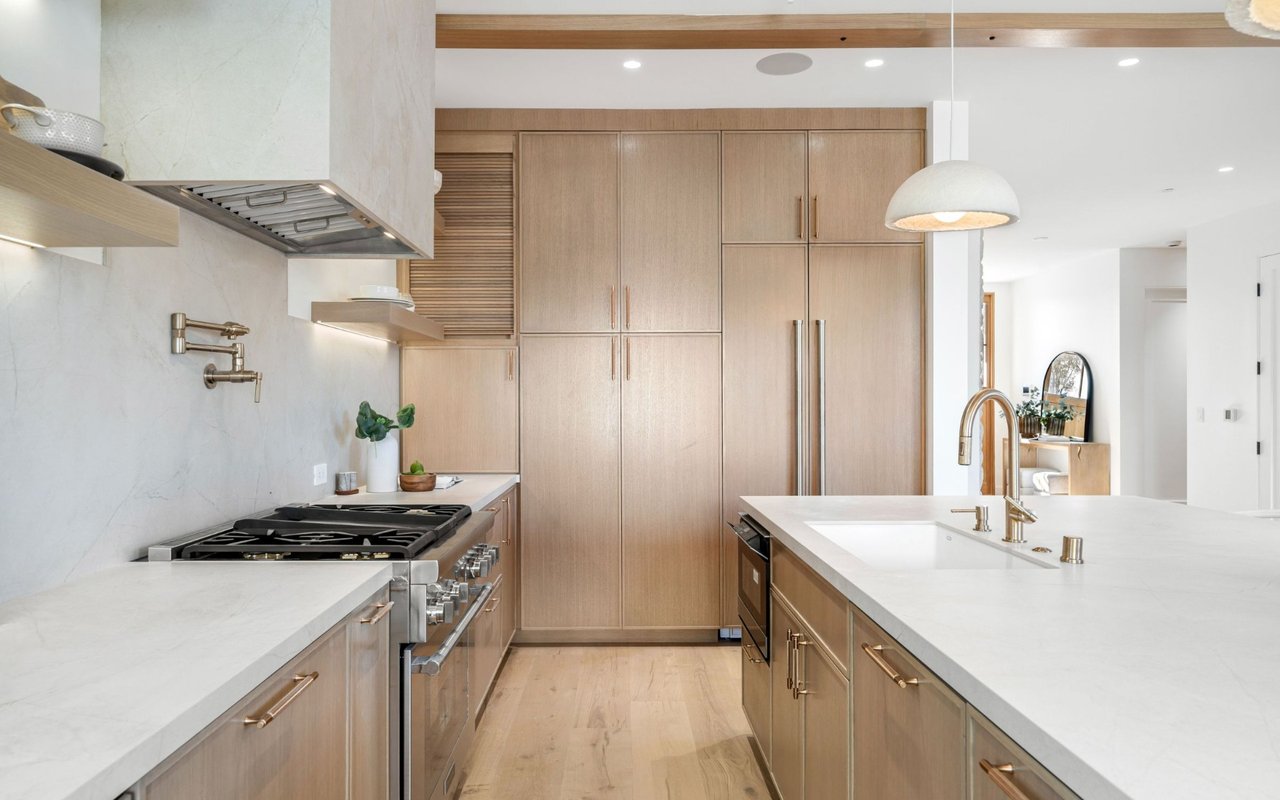
A buyer tours a five-acre estate off Mount Rose Highway on a Saturday, writes a strong offer Sunday, and by Wednesday the transaction is quietly sideways. The house inspects clean. The problem sits underground: a septic tank whose lids no one can locate without an electronic sonde, a domestic well with a water-quality test that has never been run, and a wood stove in the great room that will not be certified in time for close of escrow. None of this appeared on the MLS sheet. All of it is negotiable, and in Reno's current luxury tier, most of it moves the price.
The thesis of this piece is direct. In the $1.5M-and-up foothill market, where inventory is deep and buyers are patient, the party who orders the well and septic paperwork first controls the negotiation. Sellers who wait for a buyer's inspector to write the first report are surrendering leverage they did not have to give.
Why This Diligence Item Sets The Price In The Foothills
The citywide Reno picture and the foothill picture are two different transactions. Across Reno as a whole in mid-2026, the median sale price sat in the high five hundreds, homes were going pending in roughly six to seven weeks, and the market read as tight-to-balanced. Above $1.5M, the math inverts. Trailing-90-day MLS data pulled in July 2026 shows roughly 9.1 months of supply in the luxury tier against about 4.5 months in the $500K to $1M core. That is a buyer's market by any conventional definition, and buyers in that band tend to be equity-funded relocators and second-home purchasers who are not in a hurry.
Most of Reno's luxury inventory that carries a private well or septic system sits outside city sewer service, in the foothill corridors that draw those buyers in the first place. That is where diligence has teeth. A conventional foundation crack gets a repair credit. An unlocated septic tank, a well that has never been audited, or a wood stove that fails its air-quality certification becomes a re-trade on the whole deal.
What Changed On January 22, 2026
The Washoe County District Board of Health adopted a revised version of the Regulations Governing Sewage, Wastewater and Sanitation on January 22, 2026, and Northern Nevada Public Health publishes the current text on its Environmental Health Services page. Two changes matter for a luxury transaction.
First, the design process for any new residential septic system begins with a test trench inspection, during which EHS staff evaluate soil profile and decide whether percolation testing is warranted. Plan review runs on a fourteen-day turnaround. If the property under contract is a new build or an estate with a planned addition, that timeline sits inside most escrow windows and almost never inside a quick close.
Second, and less obvious, a bedroom addition to an existing home served by septic is a re-permit event. The Washoe County septic permit application requirements treat added bedrooms as a change in design flow, which triggers a fresh review against the current regulations rather than the ones the system was built to. A den converted to a bedroom by a previous owner, undocumented, is a common finding on foothill resales. The buyer inherits the fix.
The Inspection Sequence, In Order
The sequence matters because each step gates the next, and out-of-order scheduling is how due diligence periods run out.
- Locate the septic lids. Electronic locating runs about $175 and up. If lids sit less than two feet down and can be exposed by hand, hourly digging starts near $90. If they sit deeper, heavy equipment brings the entry cost past $370 before any work begins.
- Pump the tank. A luxury estate tank is rarely small, and pumping starts around $450. Solids that have not been touched in years may require hydro-jetting at additional cost.
- Inspect the tank and drain field. Only useful once the tank is empty and the lids are open. This is the step buyers most often skip when they order a single-line "septic inspection" without confirming the scope.
- Audit the well. The audit checks pump function and confirms well depth against the state driller's log. Budget from about $375.
- Test water quality. Separate line item, starting near $255. Nevada does not mandate specific results at resale, but lenders on a jumbo file often want the report in the loan package.
- Certify solid-fuel appliances. Wood and pellet stoves inside Washoe County must be certified by an inspector licensed through the Air Quality Management Division prior to close of escrow. Missing certification is one of the most common last-week closing delays on foothill estates.
Order the first two steps together. If the seller has already pumped and located, the buyer's inspector can walk on site day one instead of waiting for a truck.
What The Paperwork Actually Costs
Real numbers help both sides model the negotiation. These are starting figures from a Reno-Sparks inspection services list current in 2026, presented as line items, not a bid.
| Item | Starting Cost |
|---|---|
| Electronic septic lid location | $175 |
| Lid exposure by hand, per hour | $90 |
| Lid exposure with heavy equipment | $370 |
| Septic tank pumping | $450 |
| Hydro of compacted solids | $180 |
| Well audit | $375 |
| Water-quality test | $255 |
| Wood or pellet stove certification | Set by licensed inspector |
On a well and septic property, a seller can generally deliver a complete pre-listing packet, including a recent pump receipt and a passed water-quality test, for roughly $1,500 to $2,500 depending on tank access. That figure is smaller than a single price reduction round at this price point, and it removes the two findings buyers weaponize most.
Where Sellers Lose Leverage
Three moments account for most re-trades on foothill luxury deals.
The first is the buried lid. If the tank has been landscaped over and no one can point to riser locations, the buyer's due diligence timer keeps running while a service crew schedules equipment. That delay compounds every other contingency, and a patient buyer uses it to reopen price.
The second is the water sample. A well audit can show a fully functional pump and still hand back a lab result that requires treatment. Where iron, manganese, or coliform show up, the fix is a whole-house treatment system installation. Sellers who have never tested rarely have the report the buyer's lender asks for. Sellers who tested last year have a document.
The third is the bedroom count. A five-bedroom listing that carries a septic permit for four is a compliance question, not a marketing dispute. The remedy is either a design amendment through EHS or a marketing correction. Neither closes on the buyer's original timeline.
How Buyers Should Use The August 17 Training Window
Northern Nevada Public Health runs quarterly educational sessions for real estate professionals and residents on well and septic transactions. The next session, approved for elective continuing education credit by the Nevada Real Estate Division, is scheduled for Monday, August 17, 2026 at 3:00 p.m. at the NNPH offices at 1001 E. Ninth Street. Sessions are open to anyone, not only licensed agents.
For a buyer who intends to write on a foothill property in the fall, that hour is the cheapest diligence available. The Land Development team walks through what documentation exists at the county for a given parcel, how to request a copy of an old test-trench report, and what a resale packet should include. A buyer who has attended is a buyer who reads the disclosure differently.
A Word On The Broader Market Read
The luxury inventory picture in Reno is not softening because buyers do not want the product. It is softening because rate-sensitive discretionary buyers are underwriting more carefully than they did in 2021 and 2022. That underwriting includes the components under the ground. Sellers who prepare the well and septic file are matching how the current buyer pool actually reads a listing. For a broader read on how the tiers are moving, our note on Reno housing trends buyers should know and the neighborhood-level comparisons in Reno's luxury neighborhood lifestyles sit alongside this one.
FAQ
Is a water-quality test required to close on a Reno-area home with a private well? Nevada does not impose a statewide resale water-quality standard for private domestic wells. Lenders on jumbo files, however, frequently condition funding on a current potability panel. Order the test early so results are in the file before underwriting asks.
Does a septic system have to be pumped at every sale? No statute requires it. A pump is required in practice, because a meaningful inspection cannot be performed on a full tank. Sellers who pump ahead of listing shorten the buyer's inspection timeline and remove a common contingency lever.
What happens if the wood stove will not certify? Certification must be completed prior to close of escrow or property transfer within Washoe County. If the appliance fails inspection, the parties typically negotiate either removal, replacement with a certified unit, or a credit sized to the replacement cost.
We are adding a bedroom before we list. Does that change the septic file? It can. Added bedrooms are treated as increased design flow and trigger a fresh permit review under the regulations adopted in January 2026. Coordinate with EHS before construction rather than after, because retroactive approvals are not guaranteed.
How far in advance of listing should a seller start this work? Sixty days is comfortable. Thirty is workable. Anything less risks running the water-quality lab turnaround into the buyer's inspection period, which is the outcome the whole exercise is meant to prevent.
Well and septic diligence rewards the party who moves first. If you are preparing to list a foothill estate this fall or writing offers into that inventory, Kristin Zuckerman Real Estate coordinates the inspection sequence, the county documentation, and the negotiation posture together. Request a Private Consultation to walk through your specific parcel before the paperwork clock starts.