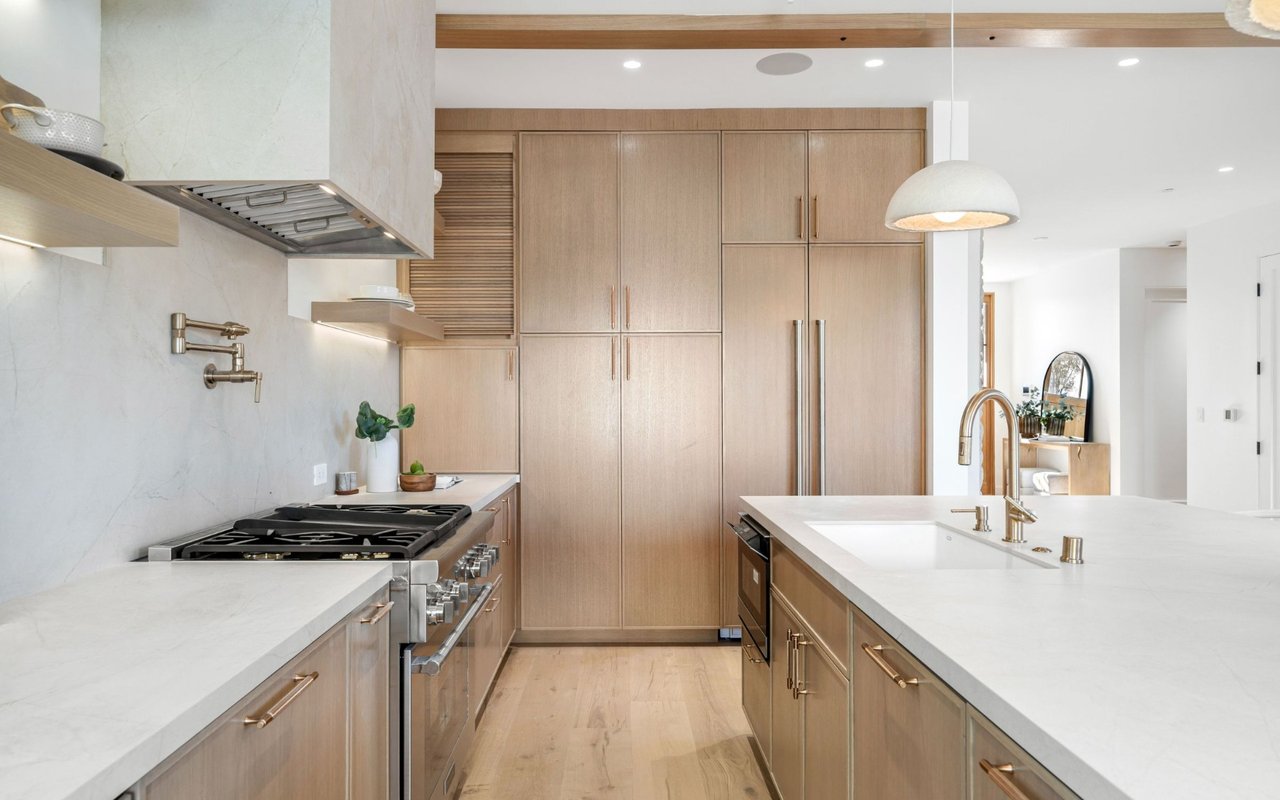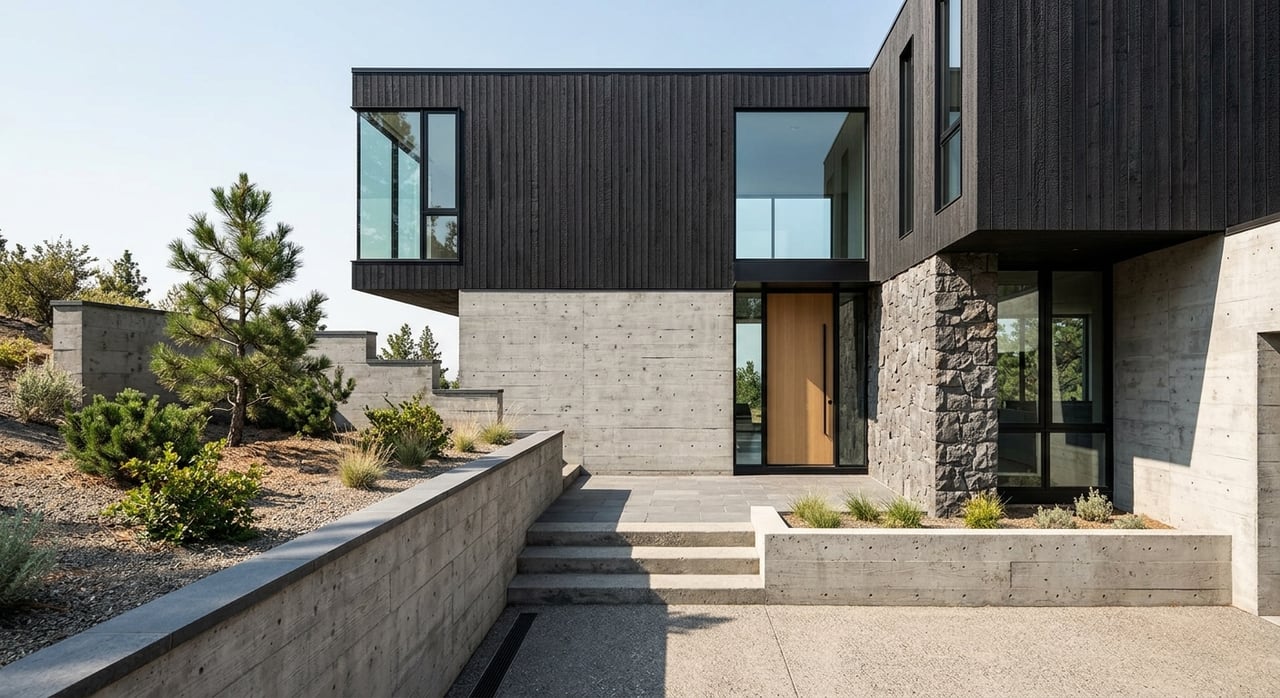
If you are considering a new construction home or custom build in Reno, you already know the appeal is easy to see. A newer home can offer modern design, updated building standards, and the chance to create a property that fits the way you actually live. The challenge is that Reno’s new-build market is not one simple category, and knowing how to navigate the options can save you time, money, and unnecessary stress. Let’s dive in.
Reno New Construction Options
Reno’s new-construction landscape includes master-planned communities, infill redevelopment, and custom home opportunities on individual lots. According to the City of Reno, long-term growth is being shaped by the ReImagine Reno Master Plan, which emphasizes infill, redevelopment, and adaptive reuse in key urban areas.
That means your choices may look very different depending on your goals. You might be comparing a move-in-ready spec home, a semi-custom home in a planned community, or a fully custom build on a hillside or view lot.
Master-Planned Communities
For many buyers, master-planned communities are the most straightforward path into newer construction. These neighborhoods often offer established roads, utilities, community planning, and in some cases club or HOA structures that shape the ownership experience.
In Reno, communities like Damonte Ranch feature homes from multiple builders, while Rancharrah includes custom homesites, semi-custom homes, villas, and condominiums. Somersett remains another major planned community option, with new homes still marketed alongside recreational amenities and trail access.
Infill and Redevelopment Opportunities
Not every new home in Reno is found in a large planned neighborhood. The city’s planning framework also supports infill and redevelopment in downtown, urban corridors, redevelopment districts, and innovation areas.
This matters if you want something newer in a more established part of Reno. It also means some buyers may find small-scale opportunities that look very different from suburban production communities, especially as the city continues to prioritize redevelopment and adaptive reuse.
Custom Lots and One-Off Builds
If your priority is privacy, views, or a more tailored design, a custom lot may be the right fit. In Reno and Washoe County, that often means evaluating hillside parcels, edge-of-city lots, or sites with more complex utility and grading needs.
This is where the process becomes more detailed. A custom project can offer more freedom, but it also usually requires more due diligence, more consultants, and more patience than purchasing an existing home or a builder-led spec property.
Spec, Semi-Custom, or Fully Custom?
Before you choose a lot or builder, it helps to define what level of customization you actually want. In Reno, the differences are practical, not just stylistic.
A spec home is typically the fastest and most predictable option. A semi-custom home may allow some design choices within a builder’s framework. A fully custom home gives you the most control, but it usually brings the longest timeline and the most moving parts.
| Option | Best For | Typical Tradeoff |
|---|---|---|
| Spec home | Buyers who want a newer home with a simpler timeline | Less design flexibility |
| Semi-custom home | Buyers who want some personalization in a planned setting | Choices may be limited by builder programs or community rules |
| Fully custom build | Buyers who want lot selection and design control | More time, approvals, and site-related costs |
The more customized your project becomes, the more important it is to align your budget, schedule tolerance, and design goals early.
What Drives Cost and Timeline
In Reno, construction timelines and costs are influenced by more than finishes and square footage. A large part of the process depends on jurisdiction, site conditions, utility planning, and permit requirements.
For projects within the city, building permits are handled through the City of Reno building permit process. The city notes that valuation-based permits can include added engineering, planning, fire, sewer, health, and impact fees beyond base permit and plan review charges.
The city also adopted the 2024 building codes and 2023 NEC, and as of January 1, 2026, plans are accepted only under the 2024 code set. Another practical issue is timing. The city states that permits and applications can expire after 180 days of inactivity, which can create problems if design, financing, or contractor scheduling stalls.
County Projects Require More Coordination
For custom homes in unincorporated areas, Washoe County’s single-family dwelling checklist shows just how detailed the process can be. Depending on the site, your submittal may require stamped plans, utility layouts, easements, setbacks, grading information, drainage details, topography, floodplain data, geotechnical soils reports, energy calculations, HOA approvals, fire review, and well or septic documentation.
This is why lot selection should never happen in a vacuum. A parcel that looks ideal online may carry added time and cost once slope, drainage, access, or utility issues come into focus.
Water Can Be a Major Cost Factor
Water rights are a significant Reno-specific issue for new development. According to Truckee Meadows Water Authority, there is no new Truckee River water right available for development, so projects must dedicate sufficient water rights, usually acquired on the open market, and TMWA adds an extra 11 percent for drought storage.
TMWA also states that new projects must pay for added facilities, infrastructure, and water rights before service is activated. For some custom lots, this can become one of the most important budget items long before interior design selections begin.
Lot Due Diligence Matters Early
If you are buying a lot for a custom home, early due diligence is essential. In Reno and Washoe County, slope, drainage, floodplain status, wildfire considerations, and utility access can all affect what you can build and what it may cost.
Hillside and Slope Rules
Washoe County has specific hillside standards for sites where slopes exceed 15 percent on 20 percent or more of the parcel. Under the county development code, these properties may require a site analysis, slope analysis, developable-area map, and a constraint-and-mitigation analysis. The code also seeks to protect ridgelines, canyons, drainageways, and steeper slopes, while discouraging excessive cut-and-fill.
Fire-related hillside standards can also affect design choices. The county code includes standards tied to fuel breaks and fire-retardant roofing and decking, which can influence both planning and materials.
Floodplain and Drainage Review
Floodplain review should happen before you commit to a lot, not after. FEMA’s Flood Map Service Center is the official public source for flood hazard maps, and Washoe County directs owners to verify floodplain status through the proper local channels.
The county checklist also requires identification of nearby watercourses, drainage channels, bodies of water, and the 100-year floodplain within 100 feet of the property. If a structure is in a floodplain, added construction requirements and elevation documentation may apply.
Wildfire and Defensible Space
For lots near the wildland-urban interface, wildfire mitigation should be part of your site review from the start. The City of Reno’s wildfire and WUI guidance notes that slope, vegetation, access roads, and driveway design all affect defensibility.
This is not just about landscaping after the home is built. It can influence where the home sits on the site, how access is designed, and what materials or mitigation steps may be needed.
Sewer, Septic, and Well Questions
On rural or edge-of-city parcels, sewer availability can be a major factor. Washoe County requires septic and well documentation when applicable, including percolation testing and separation distances to nearby sewer lines, wells, and septic systems.
If a lot depends on on-site sewage disposal, that review becomes part of the building permit path. That is one more reason to confirm utility feasibility before you fall in love with a parcel.
How to Choose the Right Builder
Builder selection matters as much as lot selection. The Nevada Attorney General and Contractors Board advise buyers to verify the contractor’s license number, get at least three bids, ask for three references, use a written contract, and confirm subcontractor licensing through the proper channels.
They also warn consumers about unlicensed or high-pressure contractors and note that the Residential Recovery Fund may provide limited relief in certain cases. In a custom-build environment, this kind of vetting is not optional. It is one of the clearest ways to protect your budget and timeline.
Why Reno Buyers Benefit From Strategic Guidance
A new construction purchase in Reno can be straightforward, but a custom build often involves several layers of decision-making at once. You may be evaluating lot feasibility, reviewing slope and drainage constraints, planning for utilities and water rights, comparing builder structures, and tracking city or county permit requirements all at the same time.
That is where an experienced, advisor-led approach adds real value. When the process is organized early, you can make better decisions about whether a planned community, semi-custom opportunity, or fully custom project truly fits your priorities.
If you are exploring new construction or custom builds in Reno and want a more strategic, concierge-level perspective, connect with Kristin Zuckerman for a private consultation.
FAQs
What types of new construction homes are available in Reno?
- Reno offers master-planned community homes, infill and redevelopment properties, semi-custom options, and fully custom builds on individual lots.
What makes a custom build in Reno more complex than buying a resale home?
- Custom builds often require added review for permits, slope, drainage, utilities, floodplain conditions, wildfire mitigation, water rights, and contractor coordination.
What should you check before buying a lot in Washoe County?
- You should review slope conditions, drainage, floodplain status, wildfire factors, utility access, and whether well or septic documentation may be required.
How do water rights affect new construction in Reno?
- TMWA states that new projects must dedicate sufficient water rights, usually bought on the open market, and may also need to pay for related infrastructure and drought storage requirements.
How can you verify a builder or contractor in Nevada?
- Nevada consumer guidance recommends verifying a contractor’s license number, getting multiple bids, asking for references, using a written contract, and confirming subcontractor licensing.