What if you could fly in on a Friday, be on a Tahoe trail by noon, and enjoy a great dinner downtown that night? If you are weighing a second home in Reno, you likely want both recreation and convenience without the stress of constant upkeep. In this guide, you will learn how second-home living works here, from seasons and neighborhoods to costs, rules, travel access, and a simple lock-and-leave checklist. Let’s dive in.
Reno at a glance
Reno sits in the high desert at about 4,500 feet, so you get four true seasons. Summers are hot and dry with bright blue skies, winters are cool to cold with periodic snow, and spring and fall change quickly. Plan for freeze risk in winter, strong sun in summer, and occasional wildfire smoke in late summer or fall some years.
You get quick access to Lake Tahoe for beaches, boating, hiking, and skiing within 30 to 90 minutes. Downtown offers dining, arts, casinos, museums, and University of Nevada events. Healthcare is anchored by Renown Health, with specialty care also available in larger Northern California cities.
Seasonal use in Reno
Summer is peak outdoor season with hiking, mountain biking, golf, and Tahoe on the agenda. Many second-home owners spend extended time here during these months. Shoulder seasons bring fewer crowds and a steady calendar of cultural events.
Winter is when Reno shines for skiers. Tahoe resorts are typically 30 to 60 minutes away depending on your route and snow conditions. If you favor winter use, plan for snow removal and standard winterization steps.
Some years bring late summer or fall smoke from regional wildfires. Consider HEPA filtration and air quality monitoring if you plan to visit during those months. Simple preparation often keeps your stay comfortable.
Ownership logistics and costs
Nevada has no state personal income tax, which is appealing for many buyers. Property tax in Washoe County is generally lower than many California markets by percentage, but your bill depends on assessed value and local levies. If you plan to rent the home short term, expect state and local lodging taxes and filing requirements.
Short-term rentals are regulated by the City of Reno and Washoe County. Registration, transient tax collection, and operating rules such as occupancy, parking, and noise are common. Policies can change, so confirm current rules before assuming rental income.
Many sought-after neighborhoods are in HOAs that support lock-and-leave living. Services can include landscaping, exterior maintenance, trash, and sometimes snow removal and neighborhood security. Review HOA rules closely, especially around rental restrictions and owner-occupancy requirements.
Insurance deserves attention. Standard homeowners policies do not typically include earthquake coverage, which is often purchased separately. Wildfire exposure can affect underwriting and premiums, and flood risk varies by site. Check maps and speak with your carrier about wildfire mitigation and defensible space.
Lenders treat second homes differently than primary residences. Expect different down payment, rate, and reserve requirements, with jumbo financing common in the luxury segment. If you split time among states, coordinate mortgage planning with tax and legal advisors who understand multi-state residency.
Lock-and-leave checklist
- Winterize before cold snaps: shut-off valves, insulated pipes, and smart thermostats set to safe temps.
- Install monitoring: security system, water-leak sensors, and remote thermostats.
- Line up core vendors: plumber, HVAC, landscaper, and snow services where needed.
- Plan access and oversight: a secure key solution and clear instructions for caretakers.
- Prepare for smoke events: portable HEPA filters and a simple air-quality plan.
Second-home neighborhoods
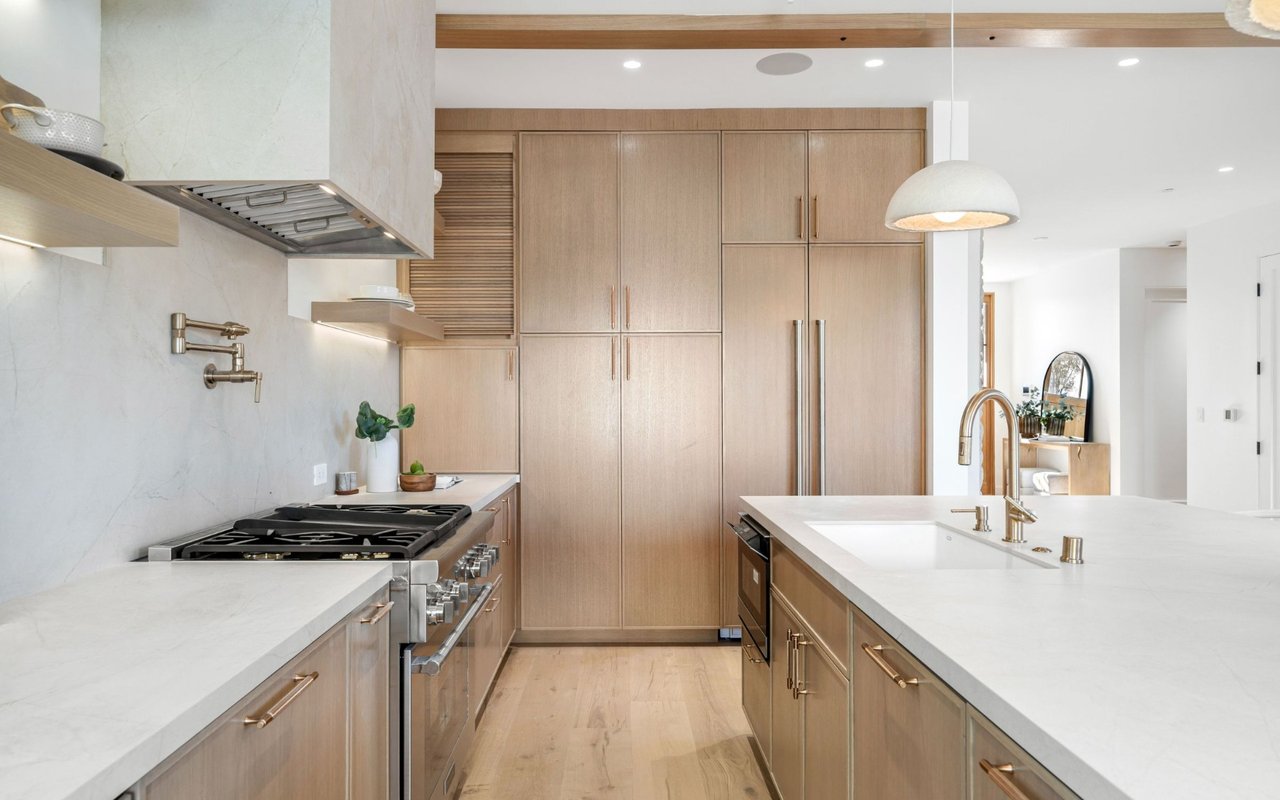
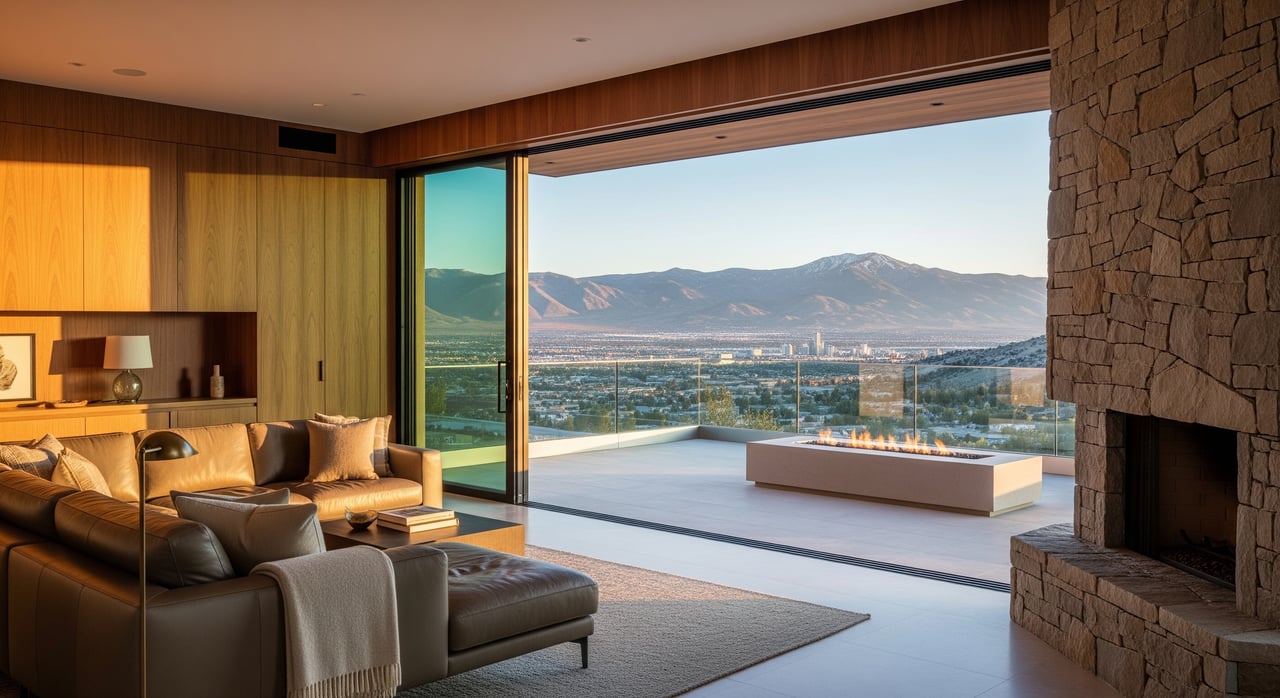
Popular property types include single-family homes in gated, master-planned communities with golf or mountain views, urban condos and townhomes for low maintenance, and luxury estates along the western foothills.
- ArrowCreek and Somersett: Known for golf, views, and HOA services that appeal to part-time owners. Confirm each community’s current service packages and rental rules.
- Verdi and West Reno: Favored for quick access to I-80 and I-580 for Tahoe skiing and summer lakes.
- Downtown and Midtown condos: Offer lock-and-leave living with restaurants, galleries, and nightlife nearby. Buildings often include professional management.
Tradeoffs to consider:
- Gated communities provide services and security but carry higher HOA fees and may limit rentals.
- Mountain-edge homes offer views and access, but you may face more snow management and insurance needs.
- Urban condos reduce maintenance and can offer better resale liquidity, though outdoor space is limited and rental policies can be stricter.
Getting here and around
Reno–Tahoe International Airport offers non-stop service to many West Coast and major U.S. hubs on carriers such as Southwest, Alaska, American, and United. Schedules and direct routes can vary by season, so check the routes that matter to you.
If you drive, expect roughly two hours from Sacramento and three to four hours from the Bay Area depending on traffic and weather. Tahoe destinations typically run 30 to 90 minutes from most Reno neighborhoods. Winter storms and mountain pass conditions can affect timing.
Day to day, driving is the norm. Rideshare and taxis serve urban areas, and some communities offer limited shuttle or on-demand services.
Reno vs other destinations
Affluent buyers often compare Reno to pure resort markets. Reno is generally more affordable than premier destinations like Aspen, Sun Valley, and parts of Tahoe’s North Shore for similar budgets. Accessibility is a strength thanks to RNO and easy highway links.
Reno balances resort access with city services, which many second-home owners value. If your goal is a very exclusive, high-elevation ski-in, ski-out setting, Tahoe enclaves or other mountain towns may be a better fit. If you want easy access to both urban amenities and mountain recreation, Reno is a strong match.
Smart questions to ask
- What are the current short-term rental rules and transient tax obligations for your preferred neighborhood?
- Does the HOA allow rentals, and are there caps or registration steps?
- What is the snow-management plan for the streets and your driveway? Who handles it when you are away?
- How do wildfire, earthquake, and flood exposures affect insurance and carrying costs for this specific property?
- What are annual carrying costs for comparable homes, including HOA, insurance, taxes, utilities, and routine maintenance?
- Are direct flights available from your primary city when you plan to travel most?
- Is the property in a FEMA flood zone or other special assessment area?
- If you plan to rent, what occupancy rates and nightly rates are realistic in this micro-market and season?
- How will multi-state residency affect taxes, estate planning, and healthcare access?
Work with a trusted advisor
Choosing a second home is part lifestyle, part logistics, and part investment. You deserve advisory support that balances all three. With Private Office-level representation, deep financial expertise, and a concierge service model, our team helps you evaluate neighborhoods, HOA fit, carrying costs, and seasonal access so you can buy with confidence.
If you are considering a second home in Reno or the Reno–Tahoe corridor, connect with Kristin Zuckerman to Request a Private Consultation.
FAQs
Are short-term rentals allowed in Reno?
- The City of Reno and Washoe County regulate short-term rentals, including registration, transient tax collection, and operating rules, so confirm current requirements before planning rental income.
How much are carrying costs for a second home?
- Costs vary by property and location, but you should budget for property taxes, HOA fees, insurance, utilities, routine maintenance, and any property oversight during periods of vacancy.
How reliable are winter flights into RNO?
- Reno–Tahoe International Airport offers broad domestic connectivity, though specific routes and schedules can change by season, so verify current service from your origin city.
Is earthquake or wildfire coverage standard in Reno?
- Standard homeowners policies typically do not include earthquake coverage, and wildfire risk can affect premiums and availability, so review coverage and mitigation steps with your carrier.
Which Reno neighborhoods work best for lock-and-leave living?
- Gated, HOA-managed communities like golf neighborhoods and urban condos in Downtown or Midtown are popular for low maintenance and professional management, but review each HOA’s services and rules.